





Note: This is the last of 10 parts in a series of posts titled A World of Color. You can read the previous posts here: Introduction, Red, Orange, Yellow, Green, Blue, Purple, Black, and White.
Ok, we're at the final post of this series which, I trust, has been enjoyable for each of you who has read it. It's been a hectic couple weeks for me, so I didn't quite get the posts out daily. But, I have plodded on through, and as far as I can tell, I'm not dead, so let's get the party started (though if I were dead, I suppose I would be the last to know)....
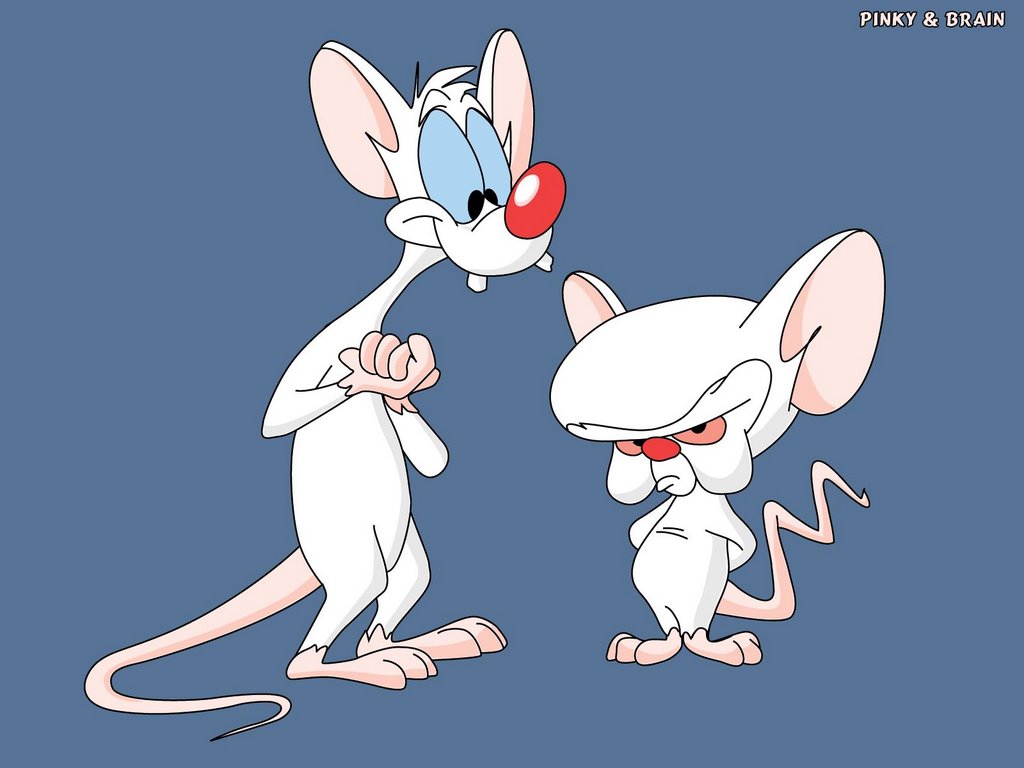
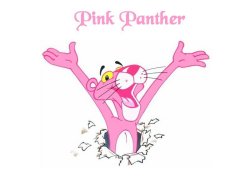
Pink is, I suppose, fairly closely linked to red (created by mixing red with white), but I had enough pictures and have enjoyed hunting down these color-coordinated selections, so I figured I'd round off the series with the color that most girls love, regardless of their gender. I'm sure each of us has seen a family portrait in which the little girl is wearing some beautiful "pretty in pink" dress....no, wait, I'm getting that confused with the outfit the drag queen was wearing at Sidetrack the other night (there are some stupid girls that end up at that bar).
The word "pink" was not coined until the 1800's. It most likely originates as a descriptive name for certain flowering plants of the genus Dianthus. Their flowers appeard to have been "clipped" with pinking shears, thus the name's development. Pink is soft and friendly, like bubble gum and cotton candy.
If I can go on a little side trail for a moment.... Cotton candy and I have a love/hate relationship. I see cotton candy, and I know there will be trouble. By the time I pass the stand, I have the cotton candy in my hand. We begin to have a conversation:
I tell the cotton candy, "I don't know why I buy you when I know you make me sick."
Just like a pill, the cotton candy (always complaining that it is missundaztood) says, "But you know you can't take me home. You should eat me now."
I retort, "There you go! That's exactly the kind of thinking I will regret in tonight when I want to sleep but can't because I am wired from all that sugar." (I'm convinced that nobody knows what cotton candy is actually made from; it certainly isn't natural. About the only natural pink food I can think of would be something like a grapefruit or marmalade).
Pink is not really related to many things negative, with a notable exception being its occasional use to perpetuate a sexist stereotype of women as being weak (large amounts of pink can actually cause physical weakness in a person, researchers believe....who knew?). It is used in diet therapy to help relax a person and to suppress appetite. In Japan, adult entertainment is sometimes referred to as "pink movies" and pink in general is associated there with sexuality (you'll never look at cherry blossoms the same way again).
Pink (being a watered-down version of red) has been used to criticize those with watered-down socialist/communist tendencies (referred to a generation ago in America, during the era of Joseph McCarthy, as "pinkos"). During that same time, the "pink scare" referred to persecution of gay professors at Smith College in Massachusetts.
One amusing anecdote to close this post. This past summer, here in Chicago, the Chicago Transit Authority began service on the new "Pink Line" of the CTA train system. Service on the new pink line commenced on Sunday, June 25. Somehow I don't think it is mere coincidence that June 25 was also the day of Chicago's Gay Pride Parade!
Try This....














Tuesday, October 10, 2006
| [+/-] |
Alecia Beth Moore (A World of Color, Day Ten) |
Sunday, October 08, 2006
| [+/-] |
White List (A World of Color, Day Nine) |
Note: This is part 9 in a series of posts titled A World of Color. You can read the previous posts here: Introduction, Red, Orange, Yellow, Green, Blue, Purple, and Black.
White, generally, is a color associated with positive feelings of peace, purity, and innocence. In Western cultures (and others), for example, brides will wear white on their wedding day; however, sometimes if it is her second marriage, she will wear red. White is often associated with things spiritual or other-worldly. Angels are generally portrayed wearing white robes. Ghosts are generally depicted as white. White is also associated with the medical profession, as in doctors and nurses. A "white list" is a term to describe good or acceptable items. Increased (and proper) sensitivity over racial prejudice has caused many previously-used "white" terms to fall out of use.
White can also be used in a negative sense as well, though. When someone tries to cover up or distract from something improper that has been done we call it a "whitewash" (for example, what the Republicans in the US Congress are attempting to do with the Foley controversy).
Would you like any of these guys to be your white knight?....












Friday, October 06, 2006
| [+/-] |
Men in Black (A World of Color, Day Eight) |
Note: This is part 8 in a series of posts titled A World of Color. You can read the previous posts here: Introduction, Red, Orange, Yellow, Green, Blue, and Purple.
Black is technically the absence of color. It is very powerful and quite varied in its symbolism. It can express mystery or confidence and power. It can be a color of sophistication or a color of mourning.
Particularly in Western countries, black is very strongly associated with sorrow and grief. A widow will often dress in black to indicate the loss of her spouse, and black bunting is commonly used on buildings to indicate a loss within that house or organization. But on the opposite end of life's spectrum, black in China is the color of little boys.
Often black is used in opposition to white; for example, to indicate the "bad guy" (black) and "good guy" (white) in a story. However, the air of mystery created by black has caused some authors to attire their heroes in black, as if to say they might not be completely squeaky clean, but they get the job done.
The other night, I was preparing to attend a black-tie dinner with my brother (who, by the way, has always been the black sheep of our family). He had been blacklisted from these formal dinners after the big blackmail scandal, so we were excited about this first opportunity for him to step back into the social scene. However, just as we were about to leave the house, there was a complete blackout. I mean everything. It was pitch black. In fact, today I am sporting a black eye because I couldn't see the door in front of me. As we attempted to make our way in the dark, it occurred to me the fortune that could be made in flashlights on the black market in a situation like this, and I was also thankful that I had a black belt in martial arts to protect from vandals. The next day we found out that a plane had crashed into the electrical junction. Recovery of the black box revealed that the pilot had blacked out, possibly from stress upon finding out over the radio that his wife had discovered his little black book.
Sophisticated, Mysterious, Asian....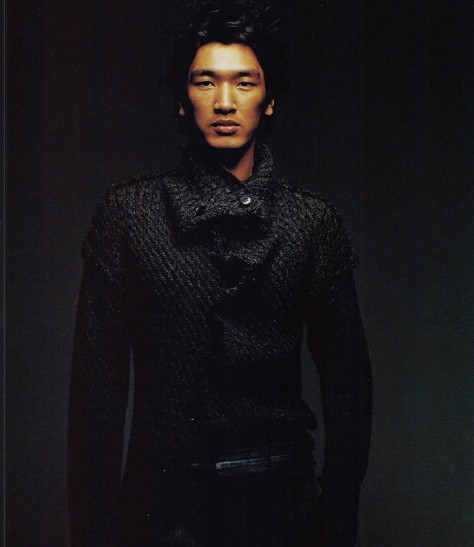












Tuesday, October 03, 2006
| [+/-] |
Purple Horseshoes (A World of Color, Day Seven) |
Note: This is part 7 in a series of posts titled A World of Color. You can read the previous posts here: Introduction, Red, Orange, Yellow, Green, and Blue.
Purple is an interesting color. It can be mysterious or royal, spiritual or sexy. Personally, it was one of the great, momentous events of my childhood when in 1984, purple horseshoes were added to Lucky Charms, my favorite breakfast cereal at the time (previously blue diamonds had been added to the original 4 marshmallow shapes, but that was slightly before I was born in 1975, so the horseshoe addition was pretty exciting for a 9-year-old).
Purple is an interesting mixture of one of the warmest colors (red: fire, passion) and one of the coolest colors (blue: ice, calm). Thus it can take properties of both colors. Purple can stimulate a child's imagination (one survey says 75% of pre-adolescent children say purple is their favorite color), but too much purple can cause moodiness or frustration.
Purple is long-associated with royalty and status, because in ancient times the dyes needed to produce purple cloth were particularly expensive. In the Bible, a lady named Lydia was once described as a "seller of purple." That was all the explanation needed in that day to indicate that she was a successful businesswoman.
Purple is a color of mystery. It is associated with death in Thailand, as the color of mourning for widows there. It appears often in stories of fantasy and magic. It relates to spirituality in many cases.
Drawing on its kinship to blue, purple (particularly lighter shades such as lavender) is believed to have a calming effect that is particularly effective against migraines.
Finally, purple (like orange) is a very difficult word to rhyme.
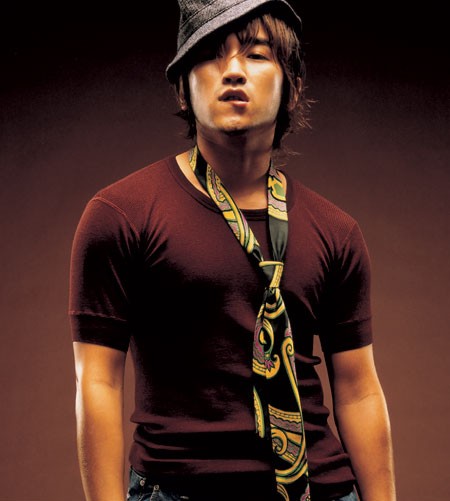
So grab a glass of wine and an eggplant sandwich, and check out these guys....









5 comments:
Post a Comment